ENVT-1107-M01-2025-26 Landscape Design Technology 3 (week 5)
- Tyrone Akinnuoye

- Oct 23, 2025
- 4 min read
Today we talked about the role of a Structural Engineer, they cater for the structures and the science behind it and the public safety, its a basic understanding as they are very important to every project.

What does a Structural Engineer do? Bridges-Tunnels-Building-Temporary structures


Specialize in-Design-Construction-Repair-Conservation-Retention Structures




Material Structure

As we covered brick couple week back its a very materials to use as its the oldest method we humans have been using for centuries.
Vaulting

A vaulted structure is an architectural element characterized by a self-supporting arched form, typically made of stone, brick, or concrete, used to cover a space with a ceiling or roof.
Common Types of Vaulted Structures
Barrel Vault: A continuous series of arches forming a tunnel-like structure.
Groin Vault: Formed by the intersection of two barrel vaults.
Rib Vault: Features a framework of ribs that support the vault's surface.
Cloister Vault: A type of rib vault with a more complex design.

Applications of Vaulted Structures
Churches and Cathedrals
Museums and Galleries
Public Buildings
Bridges and Aqueducts

Benefits of Vaulted Structures
Enhanced Aesthetic Appeal
Increased Structural Integrity
Efficient Use of Materials
Improved Acoustics in Certain Settings
Timber frame

Truss structure
Truss structure definition
A truss structure is a framework composed of triangular units that are connected at their ends. These structures are designed to support loads while minimizing the amount of material used. The key characteristics of truss structures include:
Triangular Configuration: The use of triangles provides inherent stability and strength, as the shape distributes forces evenly.
Load Distribution: Trusses efficiently transfer loads through their members, which can be in tension or compression.
Material Efficiency: Trusses use less material than solid beams, making them lighter and more economical.
Versatility: Commonly used in bridges, roofs, towers, and various architectural and engineering applications.

Columns, beams and trusses


Hammer Beam Roof
A hammer beam roof is a type of roof structure that features horizontal beams (hammer beams) projecting from the walls of a building. These beams are typically used to support a roof without the need for internal columns, allowing for a more open interior space. This architectural style is often associated with medieval church and hall construction, particularly in England.

Historical Context
Hammer beam roofs became popular in the late medieval period, particularly in England. They were commonly used in the construction of great halls and churches, such as Westminster Hall and St. Mary's Church in Beverley. Their unique design allowed for the creation of grand, vaulted ceilings while maintaining structural integrity.

Modern Applications
Today, hammer beam roofs are still used in various architectural designs, especially in historical restorations and new constructions that aim to evoke a traditional aesthetic. They are appreciated not only for their structural benefits but also for their visual impact in creating dramatic interior spaces.
Iron
Is used for most of the modern projects to date from bridges to buildings, as this material is easily manipulated if, tougher and flex's with less regret.

Ironbridge Coalbrookdale

Pontcysyllte Aqueduct


The Pontcysyllte Aqueduct is a remarkable feat of engineering located in North Wales. It is part of the Llangollen Canal and is renowned for its impressive height and length, making it one of the tallest aqueducts in the world.
Crystal Palace, Paxton


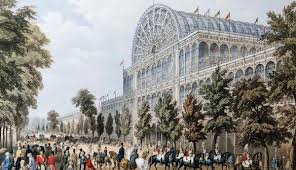


Crystal Palace, located in Paxton, is a notable area known for its historical significance and cultural attractions.
Bridges

Pedestrian Bridges Andreas Keil


Andreas Keil is known for his innovative designs and contributions to the field of pedestrian bridge architecture. His work emphasizes functionality, aesthetics, and the integration of bridges within their urban and natural environments.
Bad Rappenau double helix

Foundations

Raft foundations
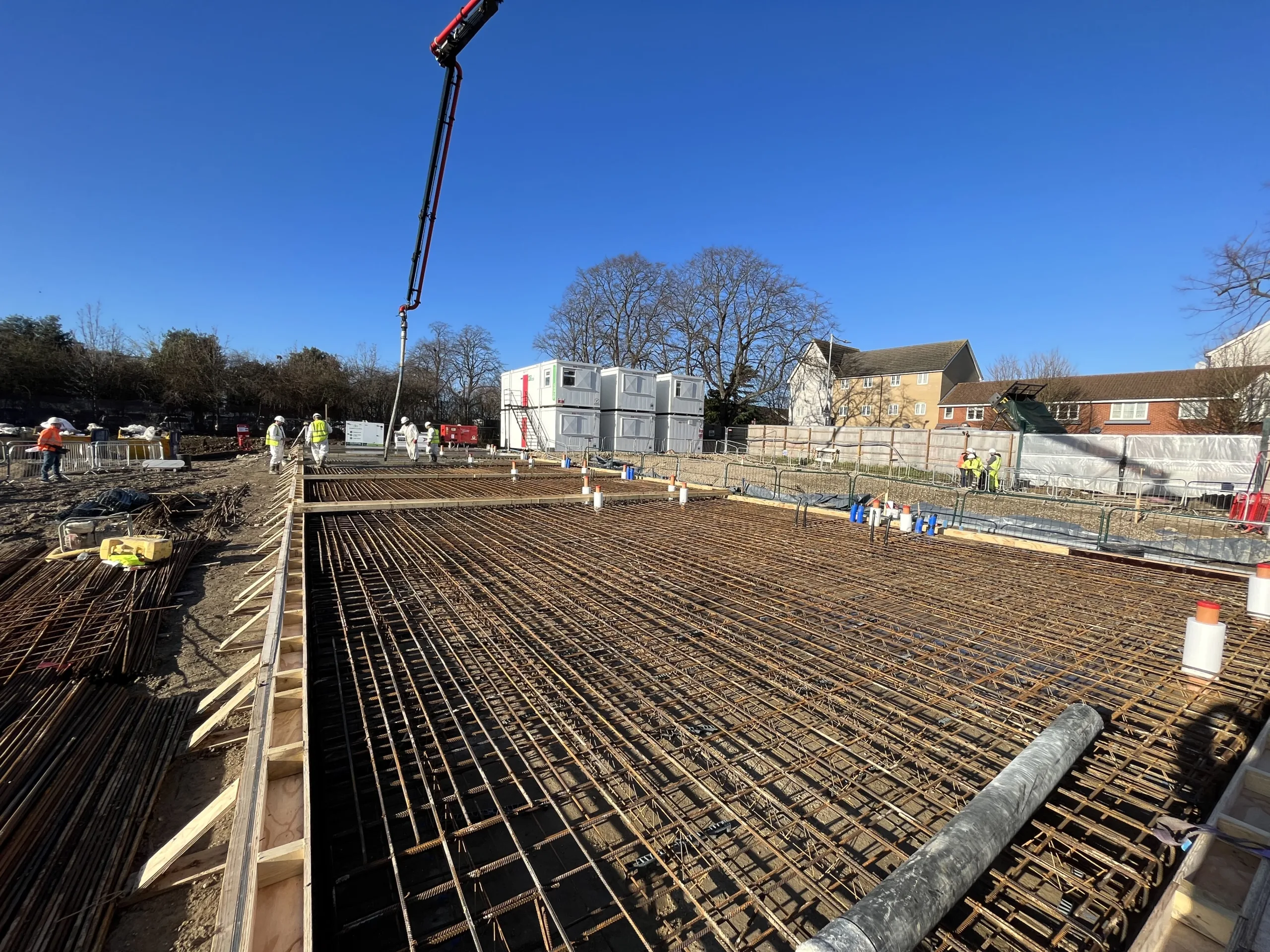


Illustration of a raft foundation cross-section, showcasing a multi-layered design featuring reinforcement and insulation elements for optimal support and stability.
Trench fill/strip foundation
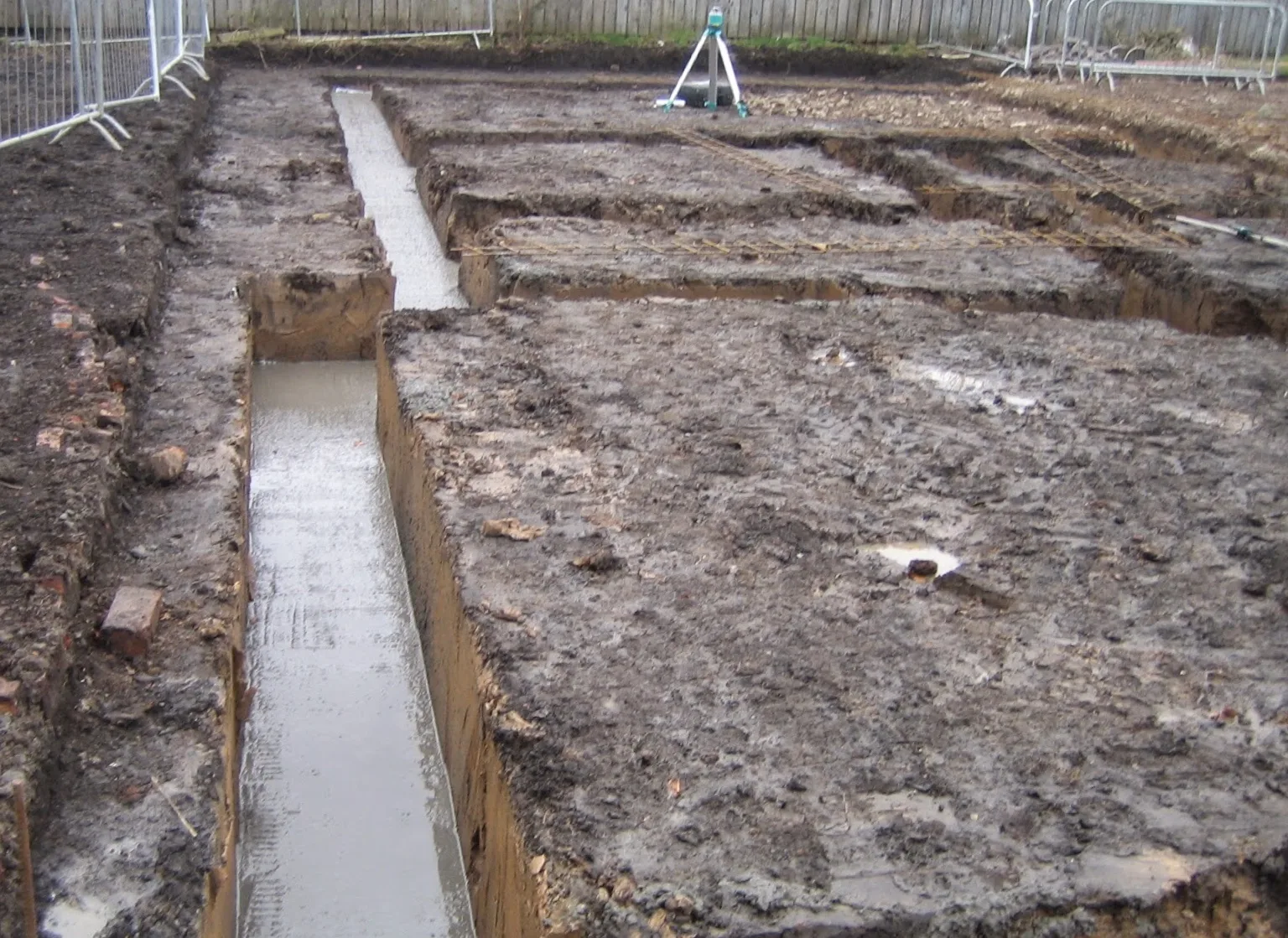


A newly poured trench fill foundation at a construction site, showcasing the initial stages of building with reinforced concrete laid in excavated trenches.
Pad and beam Foundation


Construction workers are assembling a pad and beam foundation, laying wooden beams atop concrete footings, in preparation for a new structure by a scenic lakeside.
California Baring Ratio

California Baring Ratio is 5% of the bucket of rocks, Its a measurement of how much load the ground can take and higher the number more the ground deflects.


Comments